


 4th September 2026
Latest News
Posted on: 13/03/2026Science Week Takeover
On Friday the 6th of March, Mr Barnett demonstrated five incredible science tricks that left the hall gasping. We all watched in awe as drawings came off plates, coke and mentos fired fizz into the air, and much, much more. He ran all the children, and adults, through the mind- boggling physics that revealed the explosive science that no one even knew existed. Before the 30 minutes of what looked like science-fiction, we could tell that this was going to be exquisite.
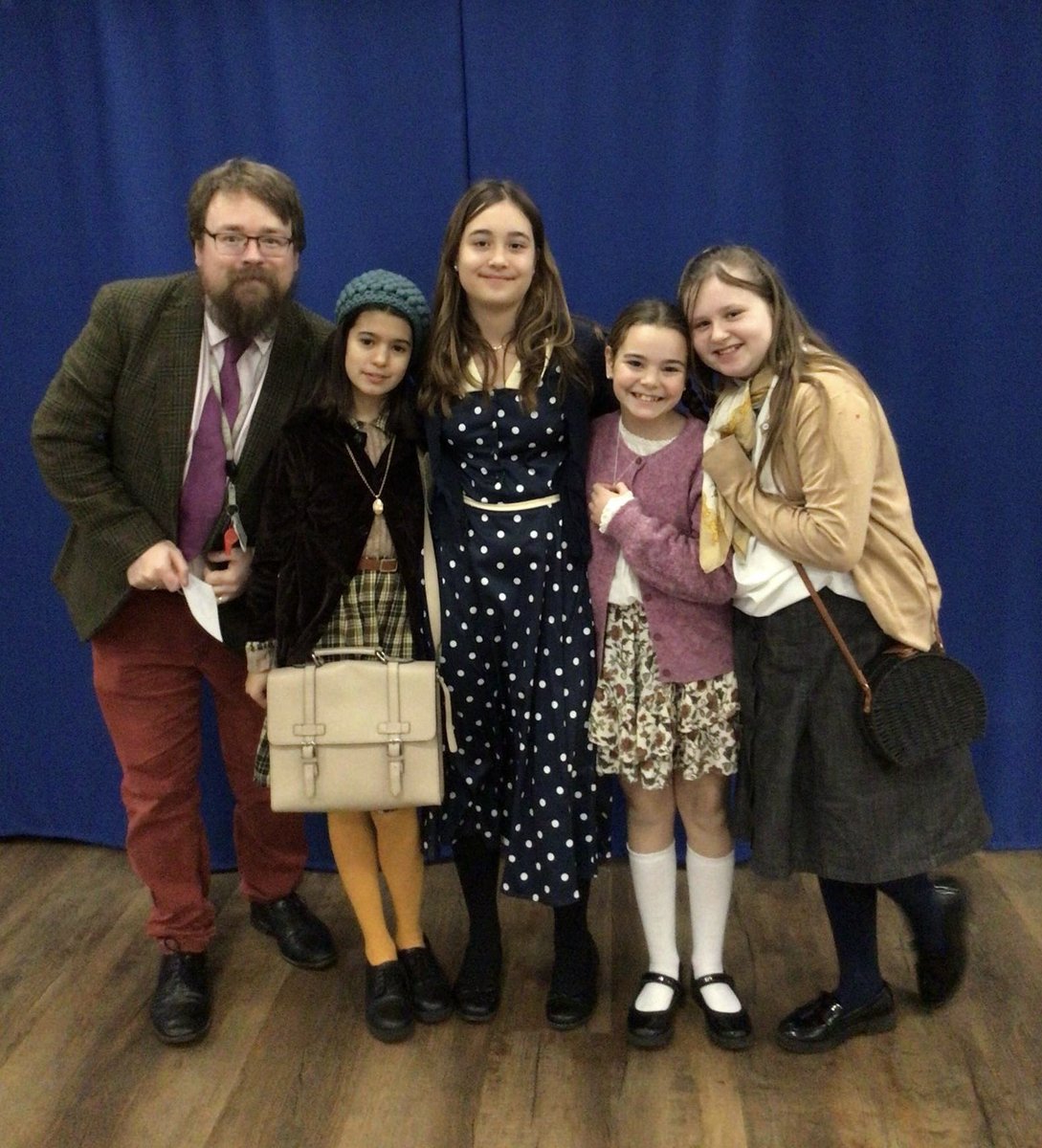
However, none of this would have happened without the important aid of the STEMstars; they took plenty of photos and assisted with the many behind the scenes wonders. All in all, this round of science was a huge hit for all the audience; thank you Mr Barnett and the stem stars!
Year 3 looked at muscles and had thousands of brilliant questions like:
"How do you go red? How do your pupils move? How does your brain work?
But we chose "What is the strongest muscle in your arm?" We looked at two muscles: triceps and biceps.
The first tests were tricep-pushups and biceps-bottle curls but we then realized the test wasn't fair so we did a second test. On the second test we made sure that the activities were even.
The second test was fair and the actions were triceps-arm raisers (using bottles) and bicep-arm curls (again). We found out that the strengths were around the same. This week was also international women's day, there were many women who asked questions and that's how we know what we know today! There are many other questions you could investigate yourself and if you do please tell us it would be magnificent if you could."
Erin 3D
Year 4 "learnt a fascinating fact…you can determine the age of a shark by measuring the length of it! The reason scientists discovered this is because radioactive carbon made its way into the sea and into the inner eye of the Greenland sharks. Scientists, while they were running tests, accidently found out that you can find out the age of a shark by measuring how long it is. Fascinating, I know! We ran an investigation to show if this would be the same with humans. However, we observed that it is not. In conclusion, some species can vary greatly with their ages and heights."
Cece and Eloise 4G
Year 5 "investigated how long different sized paper planes, helicopters and gliders would stay in the air for. First, we folded A3, A4 and A5 paper into different aircrafts. Next, our class went outside with our planes, helicopters and gliders and systematically threw and timed the aeroplanes and gliders. Finally, we went into the quiet area and dropped our helicopters from benches. While we recorded our results on a chart, we discovered that the larger paper spent less time in the air because the size of the paper increased the gravitational pull and drag force."
Reuben Q
Year 6 "designed lunar rovers to go to the moon. After watching an incredibly detailed 16 minute video on how the rovers worked and how they folded into a compact rectangle to fit onto the ‘eagle module’ to fly back to earth, we set to work. There were many amazing designs in our class including “Possibility” and “Rocky Road”. Designs varied from colourful designs, drones and umbrella antennae, to compact cameras, solar panels and titanium wheels. Every design was unique and different in their own special way; we are the people that will shape our scientific future.
A massive shoutout is needed to Mr Barnett and the STEMSTARS for organising this incredible week (and no, he didn't make me say this!)."
Oscar 6AH
"The STEMstars went to the centre on Tuesday afternoon to help the children make a picture of their planet from our solar system.The children who access the centre worked extremely hard to make their planets and write facts about them. The STEMstars were amazed about how good their work was. Next they went outside to the playground to simulate the solar system around the sun and orbit it holding their planets."
Emilio 6AH